Top Pick
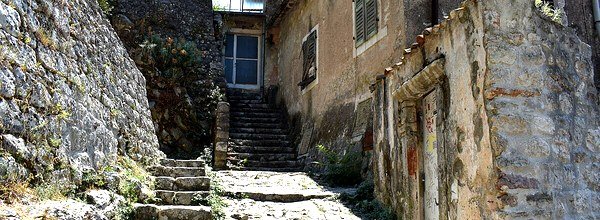
Kotor
A stunning UNESCO-listed medieval walled city nestled at the foot of limestone mountains on the Bay of Kotor. Car-free old town, baroque churches, ancient alleys and waterfront cafés.
Discover breathtaking Adriatic beaches, medieval old towns and dramatic Balkan mountains. Find cheap flights to Montenegro, handpicked tours and everything you need for the perfect trip.

Montenegro — meaning "Black Mountain" in Venetian Italian — is a small, sovereign nation on the Adriatic coast of southeastern Europe. Despite its compact size (just 13,812 km²), it packs an extraordinary variety of landscapes: turquoise Adriatic beaches, ancient walled cities, deep canyons, dense forests and snow-capped peaks.
The country gained independence from Serbia in 2006 and has since emerged as one of Europe's most exciting travel destinations. Whether you're planning a beach holiday, a city break, an adventure trek or a sailing cruise, Montenegro delivers.
Not sure where Montenegro is on the map? Here's everything you need to know about the country's location, borders, and geography in the Western Balkans.
Western Balkans, southeastern Europe — on the eastern coast of the Adriatic Sea. Where in Europe is Montenegro? It lies between the Adriatic and the Dinaric Alps.
Croatia, Bosnia & Herzegovina, Serbia, Kosovo, Albania — 5 neighbouring countries
Podgorica — population approx. 185,000; also the largest city
Kotor, Budva, Bar, Herceg Novi, Nikšić, Cetinje — former royal capital
Approx. 2,300 km from London — roughly 3 hours by direct flight
CET (UTC+1) / CEST (UTC+2) in summer — 1 or 2 hours ahead of the UK
The Balkans is a geographic and cultural region of southeastern Europe, named after the Balkan mountain range. Montenegro in the Balkans sits at the heart of the Western Balkans region, sharing deep cultural, linguistic and historical ties with its neighbours. The region is known for its incredible diversity: within just a few hours' drive from Montenegro you can explore Bosnia's Ottoman heritage, Croatia's Dalmatian coast, Albania's Riviera and Serbia's vibrant capital Belgrade.
This makes Montenegro an ideal base for a multi-country Balkans road trip, or a standalone destination that rewards slow travel. The country applied to join the European Union in 2008 and has been an official candidate since 2010, with accession still in progress.
From the walled streets of Kotor to the peaks of Durmitor — browse our in-depth guides to every corner of Montenegro.
From UNESCO old towns to hidden beaches and mountain resorts — here are the must-see places for your Montenegro holiday.
A stunning UNESCO-listed medieval walled city nestled at the foot of limestone mountains on the Bay of Kotor. Car-free old town, baroque churches, ancient alleys and waterfront cafés.
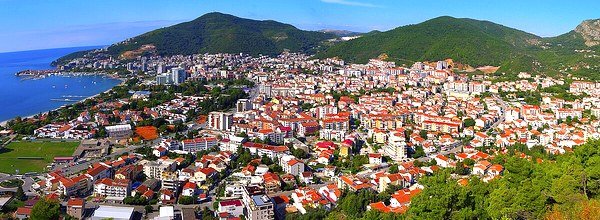
Montenegro's premier beach resort — a lively coastal town with a 2,500-year-old walled old town, sandy beaches, beach clubs and a buzzing nightlife scene popular with European tourists.
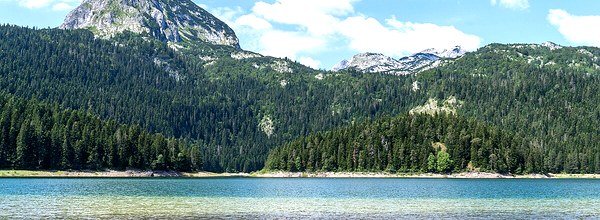
A UNESCO World Heritage Site with 48 glacial lakes and peaks over 2,500m. Perfect for hiking, rafting on the Tara River (Europe's deepest canyon) and skiing in winter.
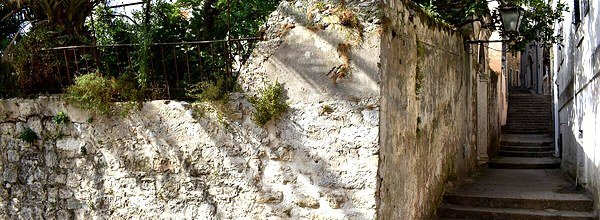
The gateway to the Bay of Kotor — known for bougainvillea-draped streets, a Venetian fortress and crystal-clear bays. Catch the ferry straight to Kotor Old Town.
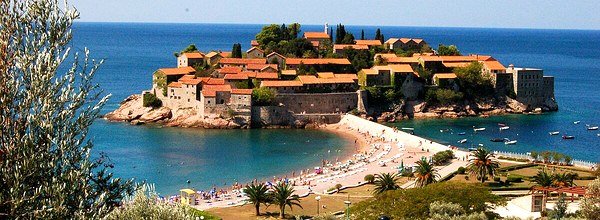
Montenegro's most iconic landmark — a fortified island village on a narrow isthmus, surrounded by a pink-sand beach. Home to the ultra-luxury Aman resort and free public beaches.
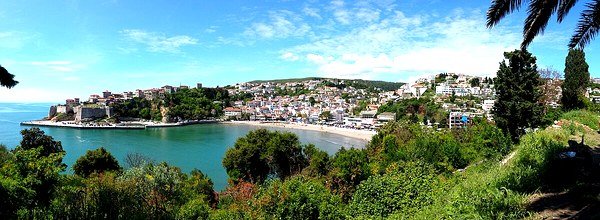
Montenegro's most exotic coastal town near Albania. The 13 km-long Velika Plaža is the longest sandy beach on the Adriatic, with a distinctive Ottoman–Mediterranean atmosphere.
Whether you're flying from London, Manchester or elsewhere in the UK, here's everything you need to know about flights to Montenegro.
Located on the coast, just 3 km from Kotor. The most popular airport for beach and coastal holidays in Montenegro. Served by most UK charter and scheduled flights in summer.
The main international airport in Montenegro's capital. Open year-round with more regular scheduled services. Best if you're exploring the whole country or flying in winter.
From all-inclusive beach packages to active adventure tours and city breaks — find the perfect Montenegro holiday for you. Browse our curated tours to Montenegro and holidays to Montenegro below.
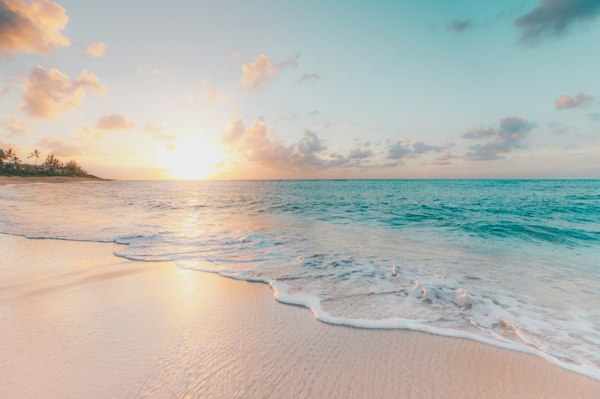 Beach
Beach
7 nights at a 4★ resort on the Montenegrin Riviera. Includes flights from the UK, half-board meals, beach access and a guided tour of Kotor Old Town.
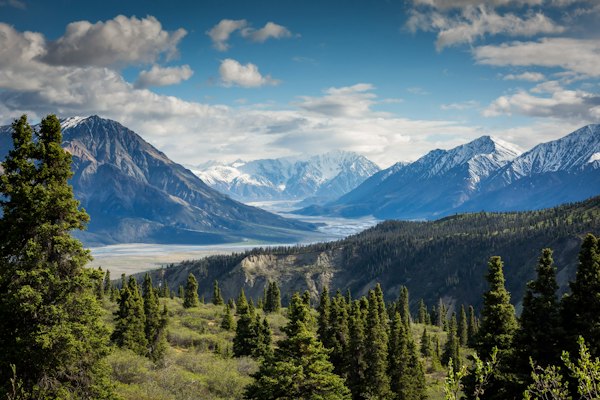 Adventure
10-day small-group tour covering Kotor, Durmitor, Tara Canyon rafting, Lake Skadar, Budva and a day trip to Perast. Includes all accommodation and a professional guide.
 Sailing
7-day skippered yacht charter along the Montenegrin coastline. Visit secluded bays, Herceg Novi, Kotor and the Our Lady of the Rocks island church. All meals on board included.
 Family
Perfect for families: 10 nights at a family-friendly 4★ hotel near Budva. Includes children's club, water park access, guided excursions to Kotor and Lake Skadar boat trip.
 City Break
4-night boutique city break staying inside or near Kotor's medieval walls. Includes flights, a guided old-town walk, boat trip to Perast and Our Lady of the Rocks, plus free time to explore.
 Ski
Ski
7-night ski package at Kolašin 1450 or Durmitor. Ski hire, lift pass and ski school options. Combine slopes with a day trip to the coast — Budva is just 90 minutes away.
Montenegro is a year-round destination with something to offer every season. Here's a month-by-month breakdown to help you plan.
Peak beach season. Sea temperature reaches 26°C. Expect lively beach bars, water sports and busy old towns. Book early.
Often called the best time to visit — warm sea, fewer tourists, lower prices and stunning autumnal mountain colours.
Wildflower season in the mountains. Ideal for hiking, cycling and cultural sightseeing. Kotor's Carnival is in February.
Skiing at Kolašin and Durmitor. Coastal towns are quiet and atmospheric. Very affordable accommodation and flights.
Everything you need to know about money in Montenegro — the currency used, exchange rates, ATMs, tipping and budget tips.
Despite not being a member of the EU, Montenegro officially adopted the Euro (€) as its currency in 2002. This makes it convenient for visitors from across Europe — no need to exchange currency if you're coming from the Eurozone.
ATMs (cash machines) are widely available in all towns and tourist areas. Most hotels, restaurants and shops accept major credit and debit cards (Visa and Mastercard). Smaller villages and markets may be cash-only.
* Rates are indicative. Check current rates before travel.
Visa and Mastercard are accepted in most hotels, restaurants and larger shops. Contactless payments are increasingly common in coastal areas. Always carry some cash for small purchases, taxis and markets.
ATMs are easy to find in Podgorica, Kotor, Budva, Bar and Herceg Novi. Withdraw cash in Euros on arrival. Your bank may charge a foreign transaction fee — check before you go, or use a travel card (Revolut, Wise).
Montenegro is excellent value. A meal in a local restaurant: €8–15. A beer: €2–3. Coffee: €1.50. Budget travellers can get by on €40–60/day; mid-range holidaymakers typically spend €80–130/day including accommodation.
Tipping is appreciated but not obligatory. A 10% tip for good restaurant service is standard. Round up taxi fares. Hotel porters and housekeeping appreciate a small daily tip (€1–2).
Since Montenegro uses the Euro, there's no local currency to exchange if you're arriving with Euros. UK visitors should exchange GBP to EUR before travelling, at a bank or via a travel money service.
Montenegro is one of the safest destinations in the Balkans, and indeed in Europe. Here's an honest safety breakdown for travellers.
The UK Foreign Commonwealth & Development Office (FCDO) advises that most visits to Montenegro are trouble-free. The country has a low rate of violent crime against tourists. Exercise normal travel precautions.
Montenegro has a low violent crime rate. Petty theft (pickpocketing) can occur in busy tourist areas and on public transport. Keep valuables secure.
Most beaches are safe and well-maintained. Some beaches have strong undercurrents — observe flags and warnings. Lifeguards are present at major beaches in season.
Mountain roads can be narrow and winding. Drive carefully, especially at night. Traffic rules are enforced. An international driving permit is recommended.
No mandatory vaccinations required. Medical facilities are adequate in main cities; travel insurance with medical cover is strongly recommended. Bring any prescription medication.
Montenegro is generally safe for solo travellers and women. Standard precautions apply: avoid walking alone at night in unfamiliar areas and trust your instincts.
Montenegro is in a seismically active region. Minor earthquakes occur. In summer, forest fires are a risk in dry conditions. Follow local authority advice if issued.
Still on the fence? Here are 8 compelling reasons to book your Montenegro holiday this year.
293 km of coastline with crystal-clear water, sandy and pebble beaches — far less crowded than Croatia or Greece.
Significantly cheaper than Western European beach destinations. Your holiday budget goes much further here.
UNESCO World Heritage Sites, Venetian architecture, Byzantine monasteries and a fascinating mix of European cultures.
From sea level to 2,500m peaks in a single day. One of the most geographically diverse countries in Europe.
Fresh seafood, local olive oil, excellent Vranac red wine and grilled meats — Montenegrin cuisine is a genuine delight.
Just 3 hours by direct flight from London. Multiple airlines operate summer routes, with good year-round options via hubs.
Compared to overcrowded destinations, Montenegro feels refreshingly authentic. Fewer coach parties, more genuine local experiences.
Within a 2-hour drive of Croatia, Bosnia, Albania and Serbia. Perfect for a multi-country Balkans road trip.
Answers to the most common questions from people planning holidays in Montenegro.
Yes, Montenegro is in Europe — specifically in the Western Balkans region of southeastern Europe. It sits on the Adriatic coast, bordering Croatia, Bosnia & Herzegovina, Serbia, Kosovo and Albania. Despite being a small country (about the size of Northern Ireland), it is a fully independent European nation and a NATO member. It is also an EU candidate country. Coordinates: approximately 42°N, 19°E.
Montenegro uses the Euro (€) as its official currency. This is notable because Montenegro is not an EU member state, but adopted the Euro unilaterally in 2002. There is no separate Montenegrin currency. UK visitors should exchange British Pounds to Euros before travel, or use a travel card such as Revolut or Wise to avoid foreign exchange fees. ATMs dispensing Euros are widely available throughout the country.
Yes, Montenegro is generally considered a very safe destination for tourists. The country has one of the lower crime rates in the Balkans, and violent crime against visitors is uncommon. The UK's FCDO travel advice for Montenegro is at Level 1 (normal travel precautions). Petty theft can occur in tourist-heavy areas — keep valuables secure. Montenegro has no significant terrorism risk. Exercise the same common-sense precautions you would in any European destination.
Direct flights from London to Montenegro operate from London Gatwick, London Stansted and sometimes Heathrow, primarily during the summer season (May–October). Key airlines include easyJet, British Airways, TUI and Jet2. The flight time is approximately 3 hours. Montenegro has two main airports: Tivat (TIV) on the Adriatic coast (best for beach holidays) and Podgorica (TGD) inland (better for year-round travel and exploring the whole country). Year-round connections are available via Belgrade (Air Serbia), Vienna (Austrian Airlines) or Istanbul (Turkish Airlines).
UK passport holders do not require a visa to visit Montenegro for stays of up to 90 days within a 180-day period. EU citizens also enter visa-free. US, Canadian and Australian citizens can generally visit without a visa too, though entry requirements can change — always check with the official Montenegrin Ministry of Foreign Affairs or your government's travel advisory before travelling. You must register with local police within 24 hours of arrival (your hotel handles this automatically).
The official language is Montenegrin, which is closely related to Serbian, Croatian and Bosnian (the languages are mutually intelligible). In tourist areas — particularly along the coast — English is widely spoken by hotel staff, restaurant workers and tour guides. Russian is also commonly understood due to significant Russian tourism. Italian is spoken in some coastal areas due to historical Venetian influence. You'll have no trouble communicating in English throughout the main tourist destinations.
For beach holidays, June to September is ideal — sea temperatures reach 24–26°C and the weather is reliably sunny. July and August are peak season with the most activity but also the highest prices and crowds. May and late September/October are excellent shoulder-season options with warm weather, fewer tourists and lower prices. Spring (April–May) is wonderful for hiking and sightseeing. Winter (December–March) is best for skiing at Durmitor or Kolašin, or exploring coastal towns in quiet, atmospheric off-season mode.
Montenegro is famous for the Bay of Kotor (often called Europe's southernmost fjord), the UNESCO-listed Kotor Old Town, the dramatic Durmitor National Park and Tara River Canyon (Europe's deepest gorge), the iconic island of Sveti Stefan, and its beautiful Adriatic beaches at Budva, Ulcinj and Bar. The country is also known for its excellent value compared to neighbouring Croatia, its distinctive blend of Mediterranean, Venetian and Balkan culture, and its rapid rise as a luxury yacht destination.